About Community Food Sovereignty
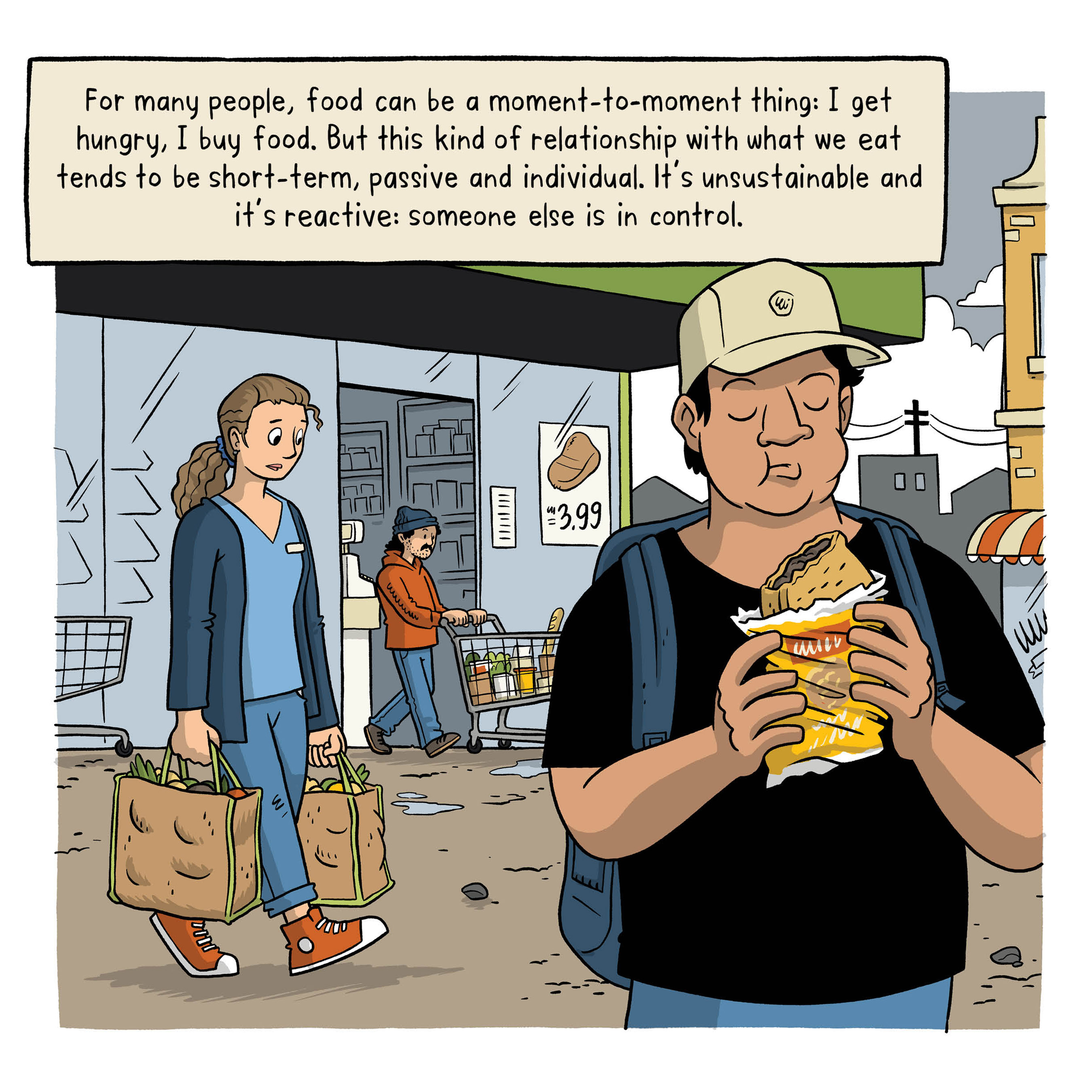
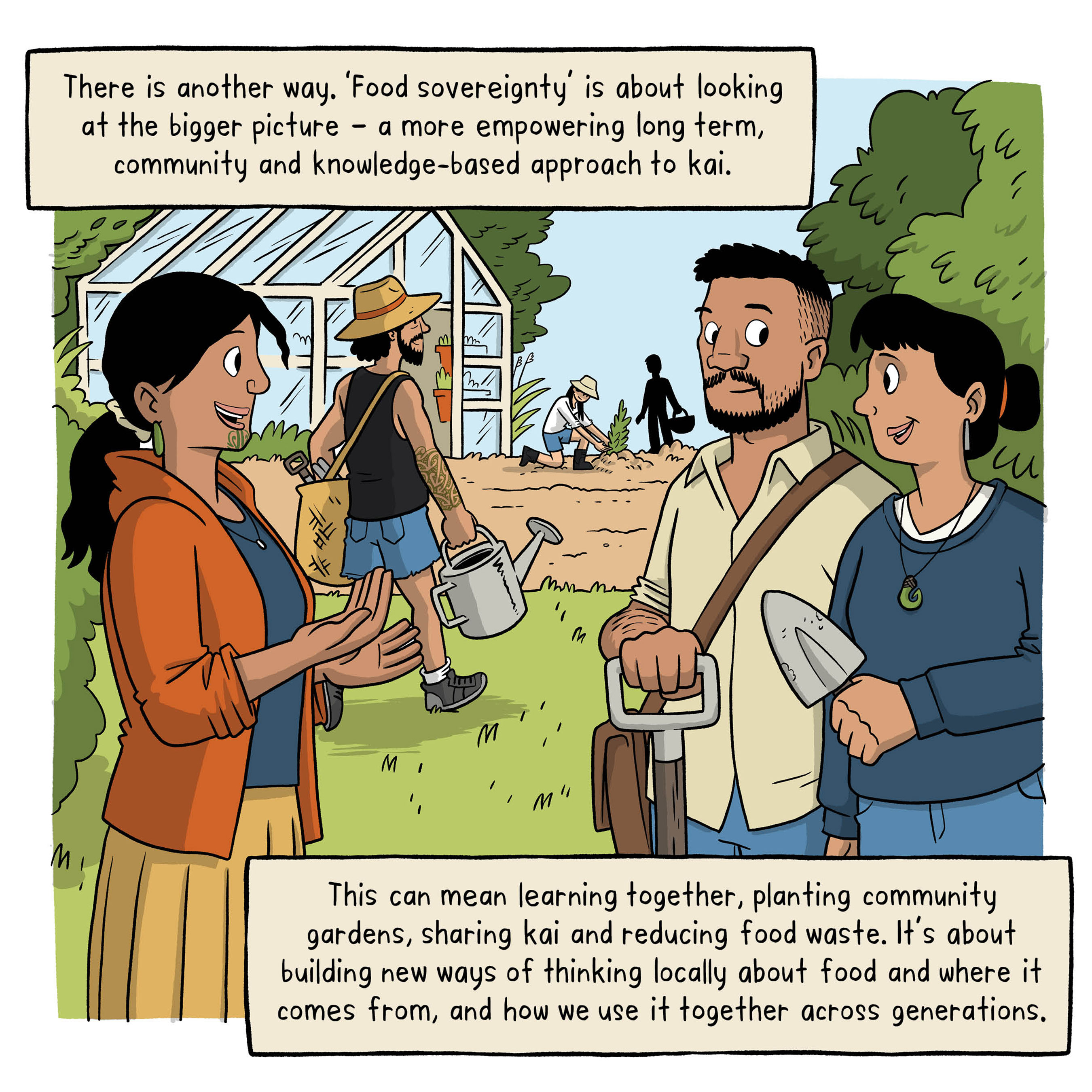
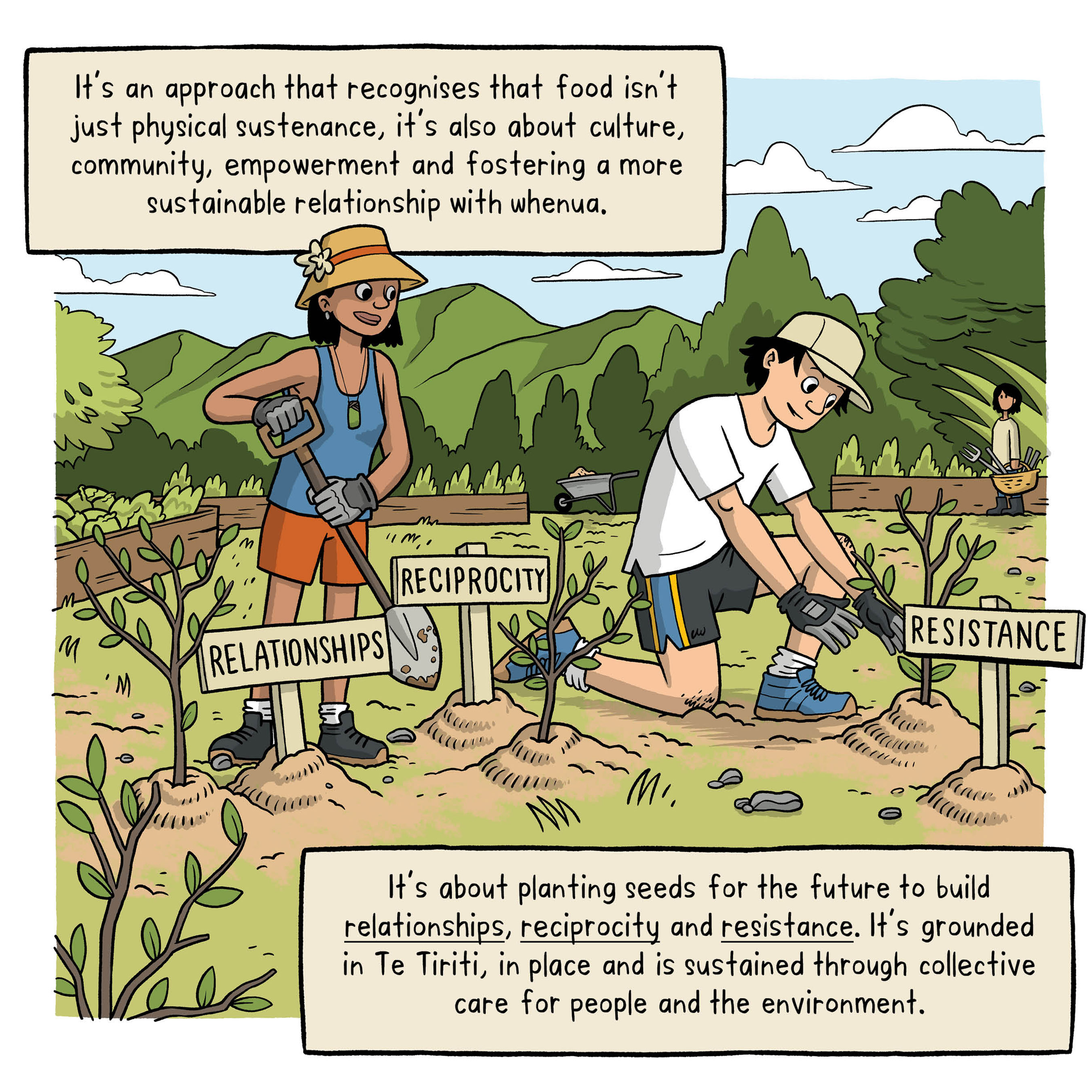
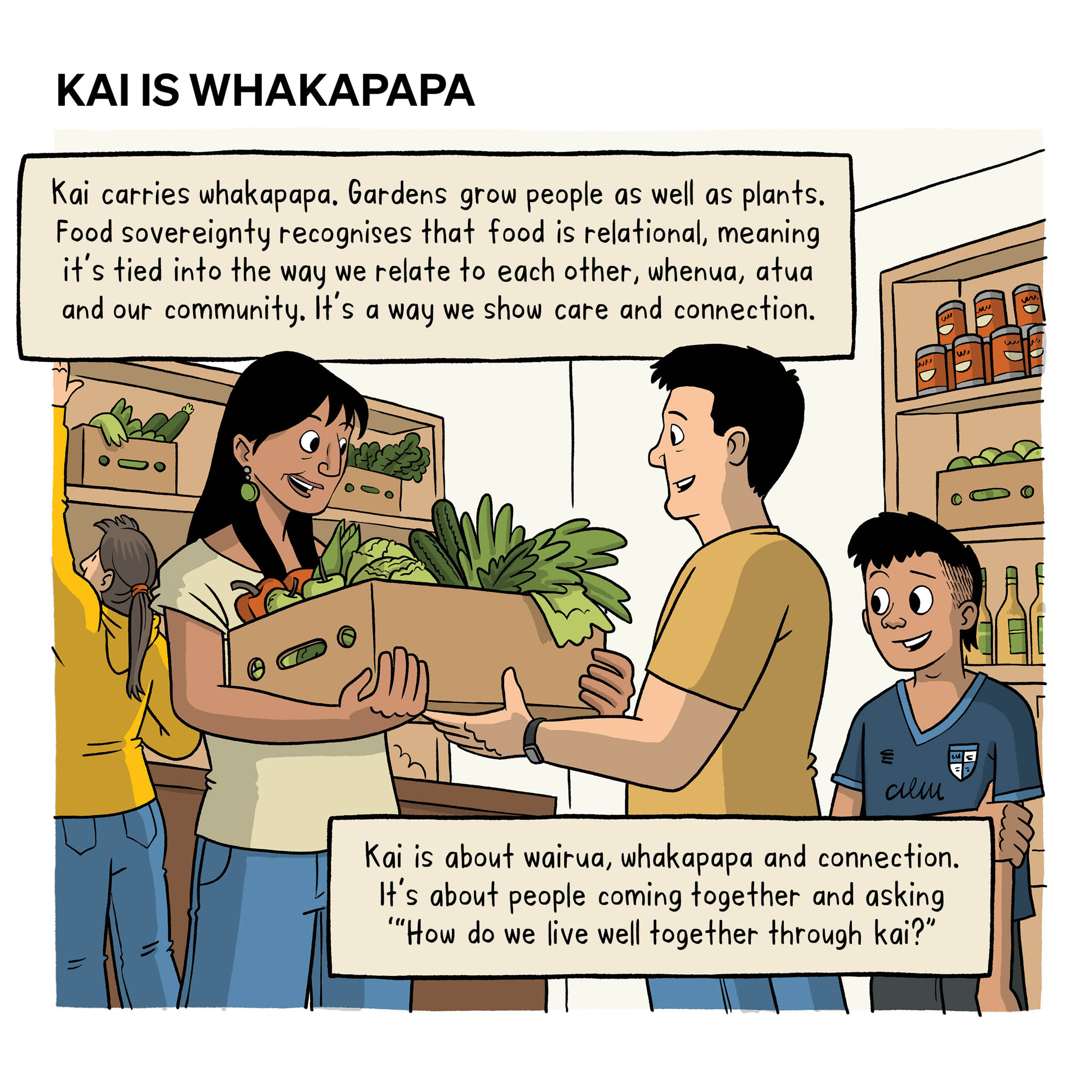
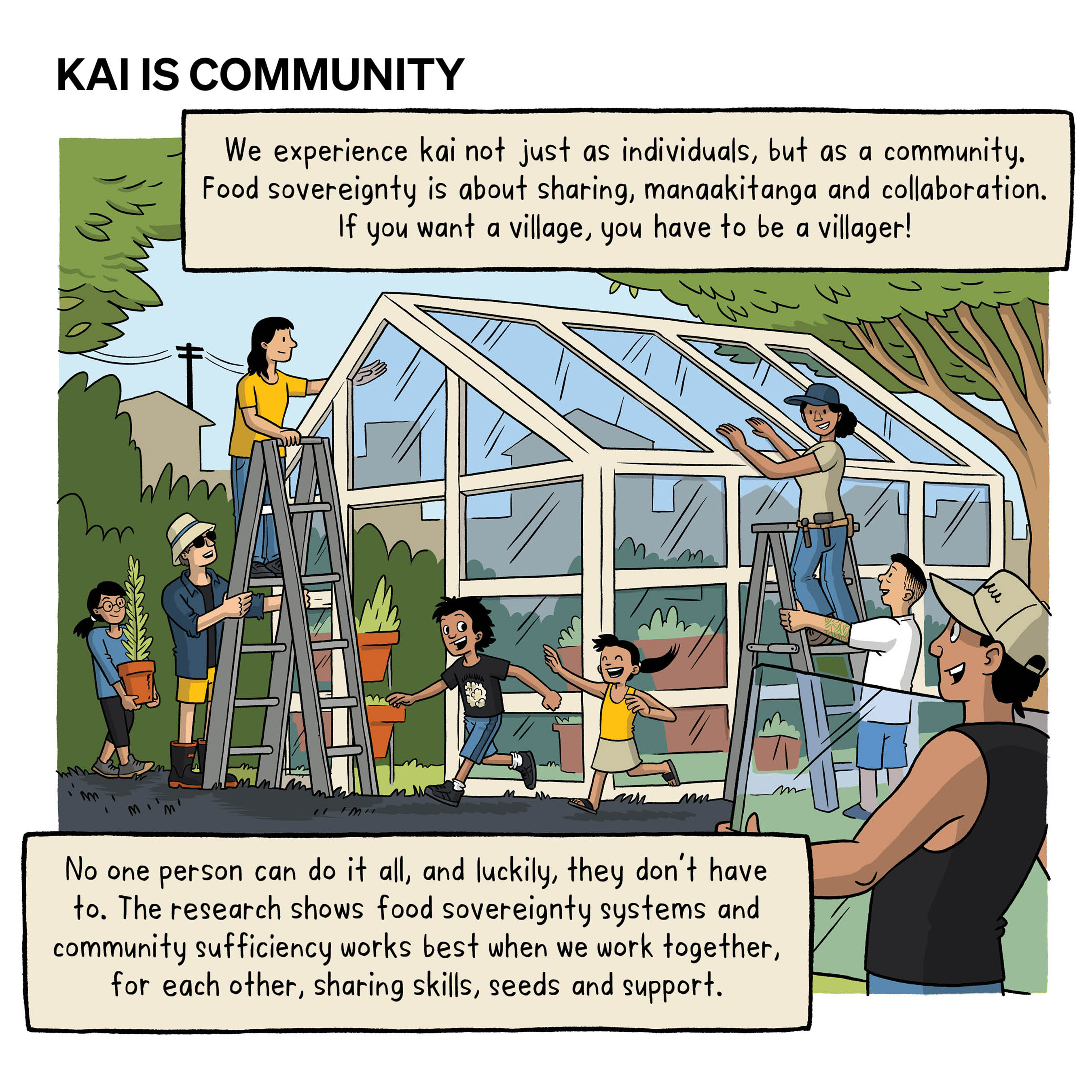
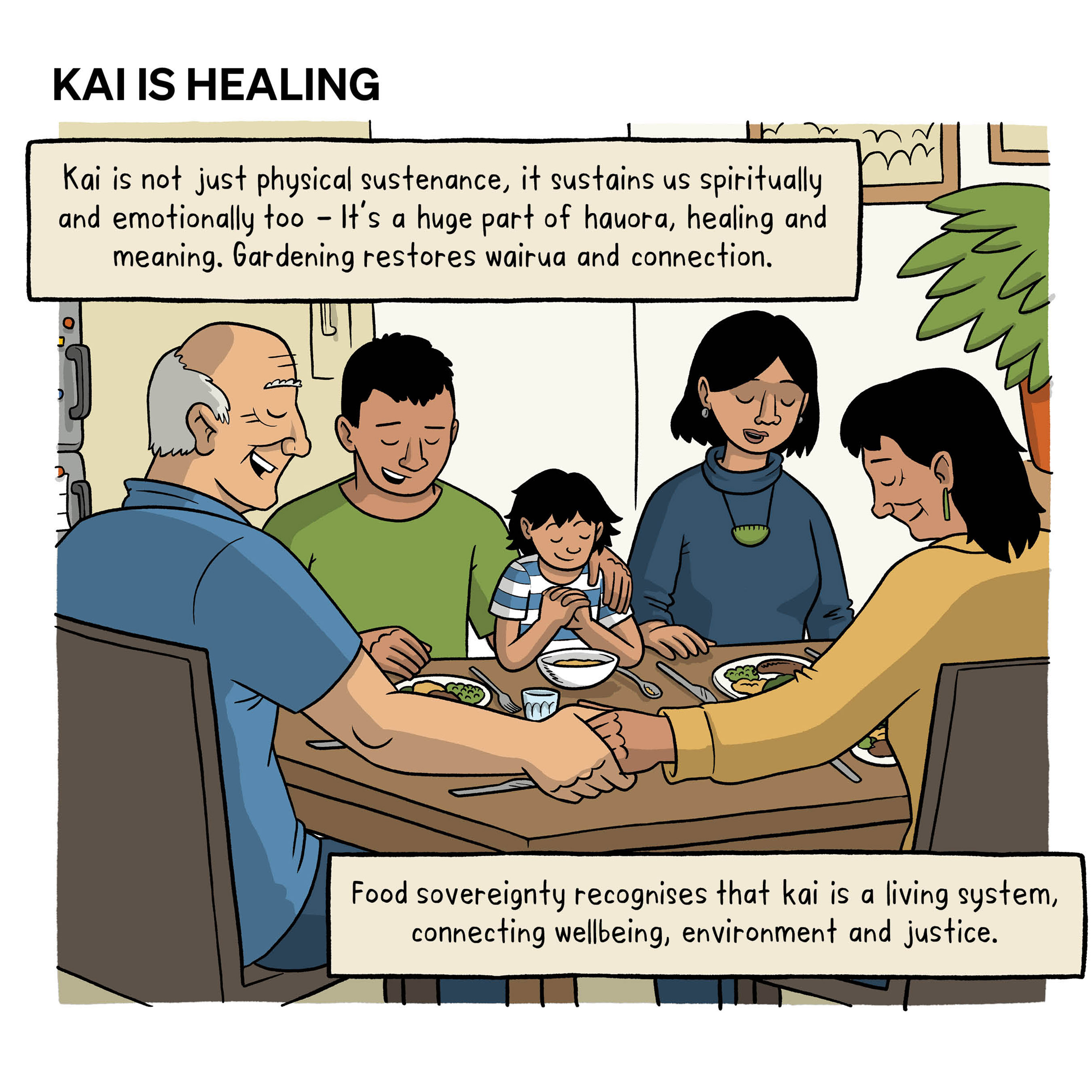
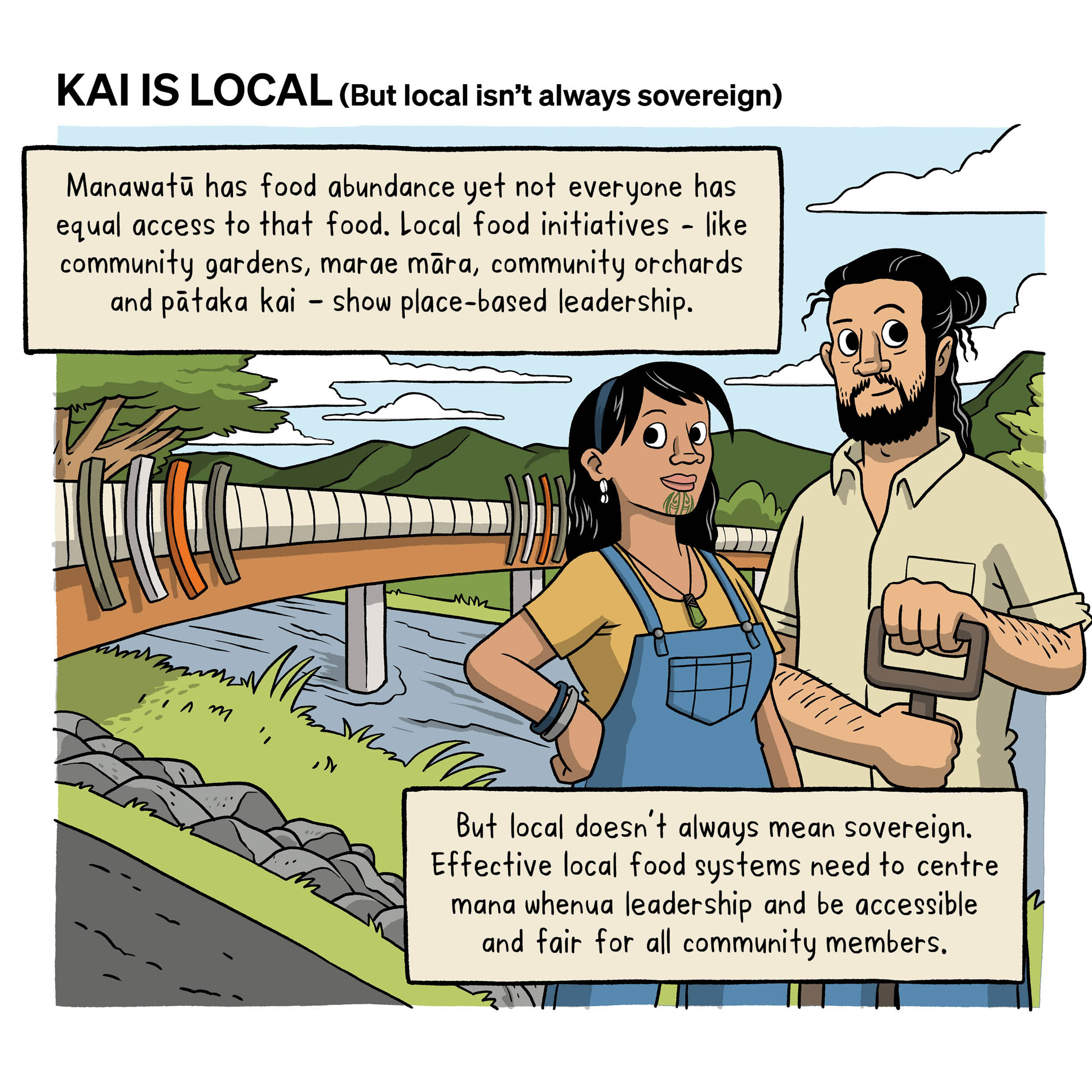
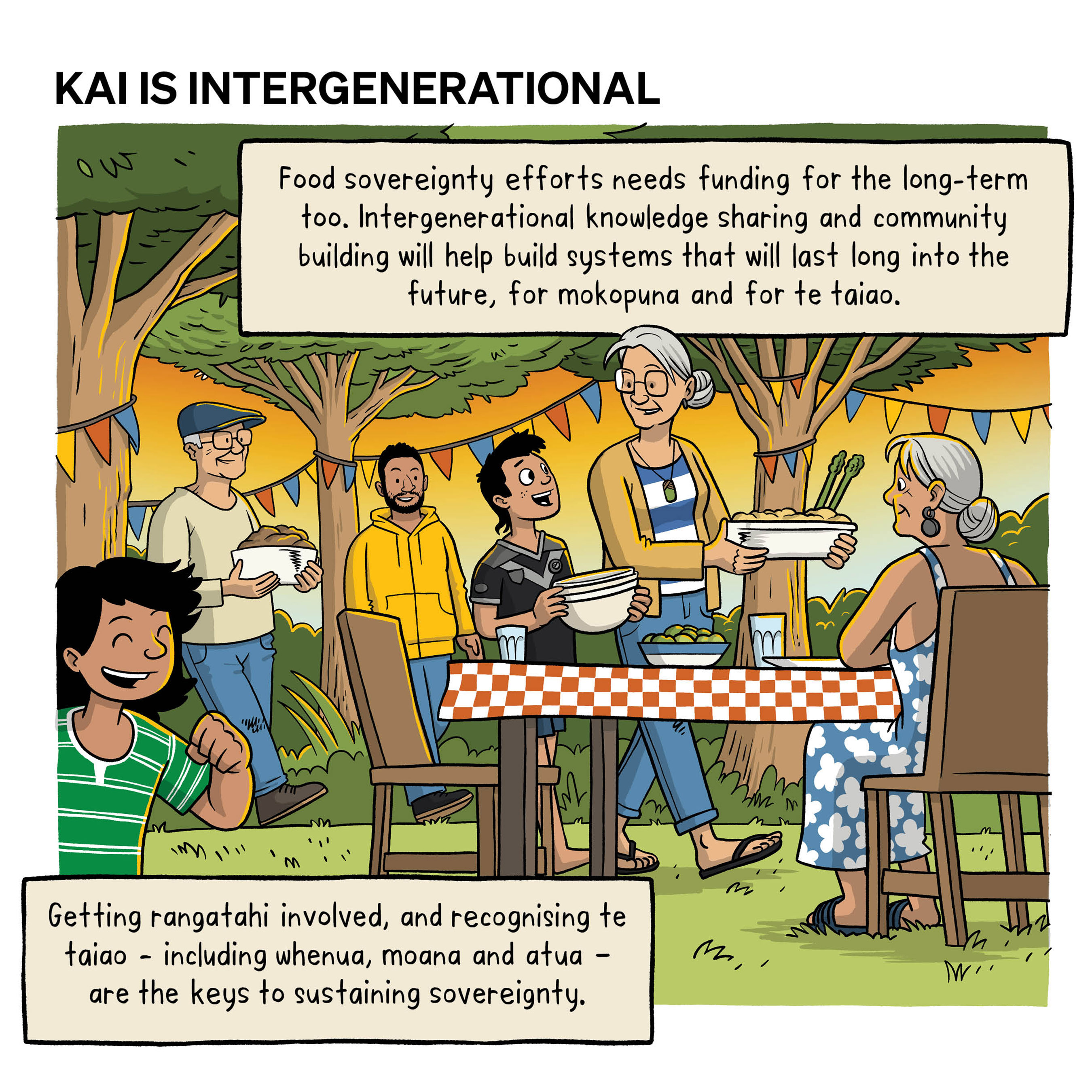
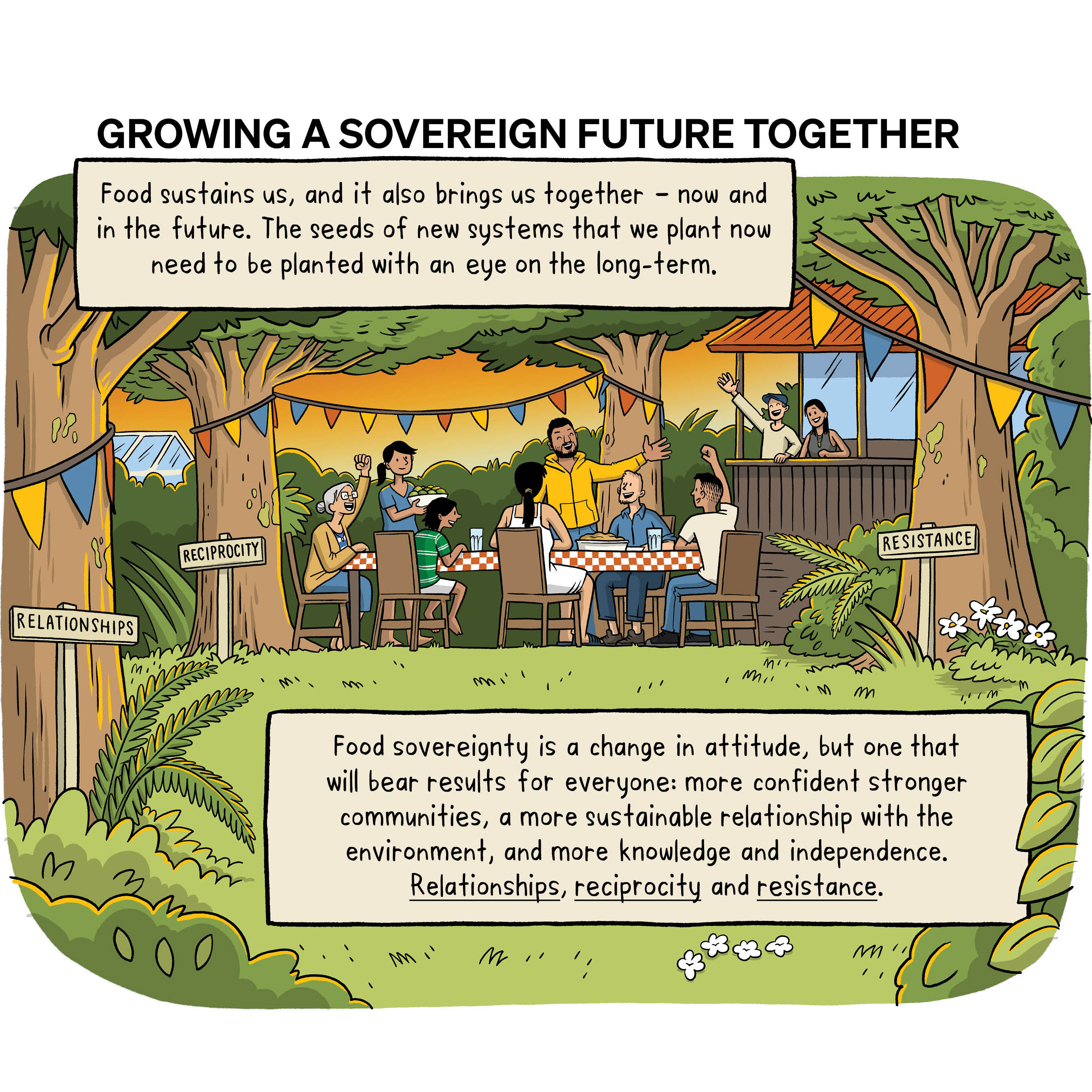
Community food sovereignty is about ensuring that communities have the right to healthy, culturally appropriate food that is grown locally and sustainably. Our network in this area, including the Manawatū Food Action Network (MFAN), works together to help communities grow their own food, make healthy food more accessible, reduce food waste, and provide free or affordable food to people. Our goal is to ensure everyone has access to healthy food that is grown sustainably.
Manawatū Food Action Network (MFAN)
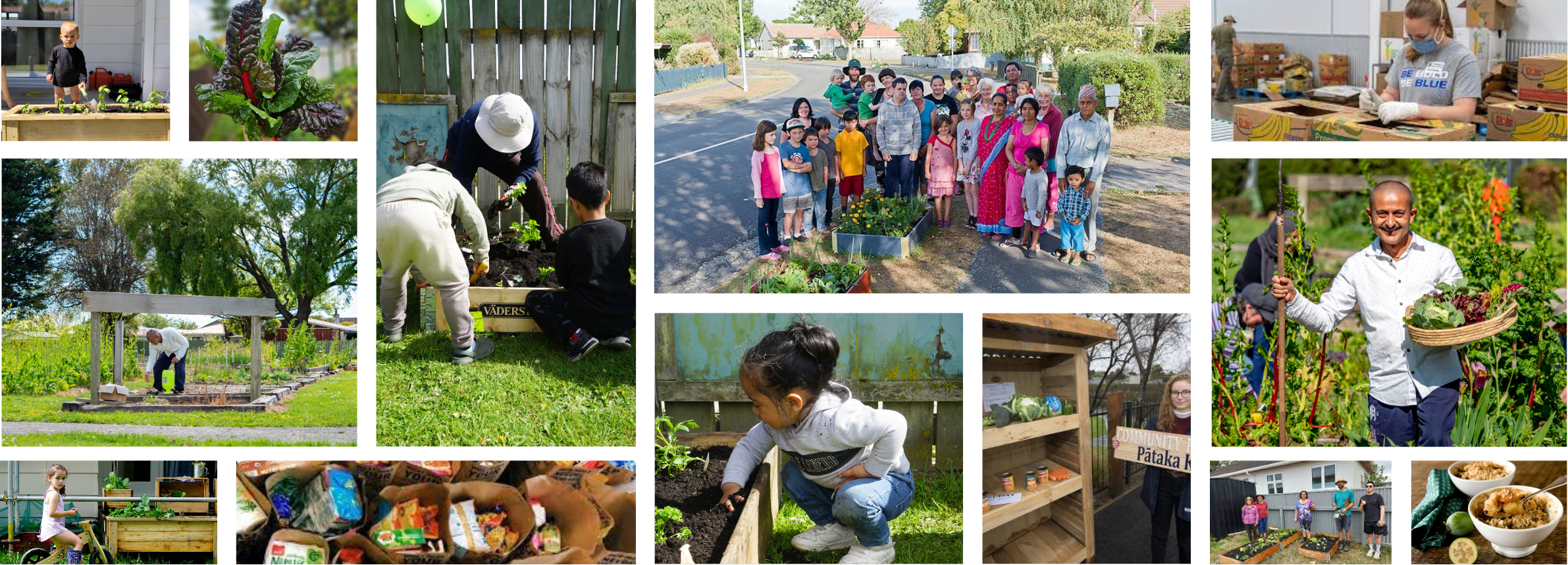
Manawatū Food Action Network (MFAN), is a collective of community groups who work together to help communities grow their own food, make healthy food more accessible, reduce food waste, and provide free or affordable food to people.
Our shared vision with our network groups:
As people of the Manawatū River catchment, we will receive our food in ways that enhance ecosystem functioning and the environment while also supporting human health and well-being.
What we do
Our activities include advocacy and education for food resiliency, food localisation, community-food initiatives, skills transfer and waste minimisation in the Manawatū.
Our scope of interest includes (but is not limited to) food security, food sovereignty, food banks and sharing sites, food waste capture, harvest capture, food resiliency, localising food, community gardens, community food education, crop swaps, seed banks, composting and more.
We work together to help close gaps, encourage better collaboration and awareness of services and activities of the members to the benefit of the local community.
We seek to foster and assist food resilience projects which are successful in increasing the mana and sovereignty of food-insecure communities.
Our member groups
Find groups in the Manawatū who are taking action here
Projects
We've work along side Ora Connect to establish the The 4412 Kai Resilience Project
Get Involved
Click on the links to learn more
Start your own initiative and apply for EIF funding
Advocacy
After years of advocacy around food sovereignty, ENM was pleased that Palmerston North City Council adopted their Food Resilience and Security Policy. ENM encouraged and supported community engagement in the consultation process, resulting in strong community backing and we collaborated with Ora Konnect to deliver a joint submission in support of the Policy. A key outcome for food sovereignty is increased PNCC resourcing for community food initiatives via the Environmental Initiatives Fund.
PNCC's food security and resilience policy
Contact
Manawatū Food Action Network
Daniel Morrimire - Coordinator
Email: food.action@enm.org.nz
(06) 355 0126
FB: www.facebook.com/manawatufoodaction
We acknowledge the mahi of Volunteer Central and Norelle Ward who initiated and housed MFAN from 2016-2018.
In huge appreciation, we acknowledge the mahi of Sharon Stevens in faciliating the creation of our Food Vision Statement.
Ā Tātou Kai me Tō Tātou Taiao: Our Food and Our Environment
Te mahi o te kai me te taiao: Key actions for enhancing our regional food ecology
Mahinga kai.
Local Food.
Community Food.
We are growing partnerships with each other and with the sunshine, rain, soil, and seed.
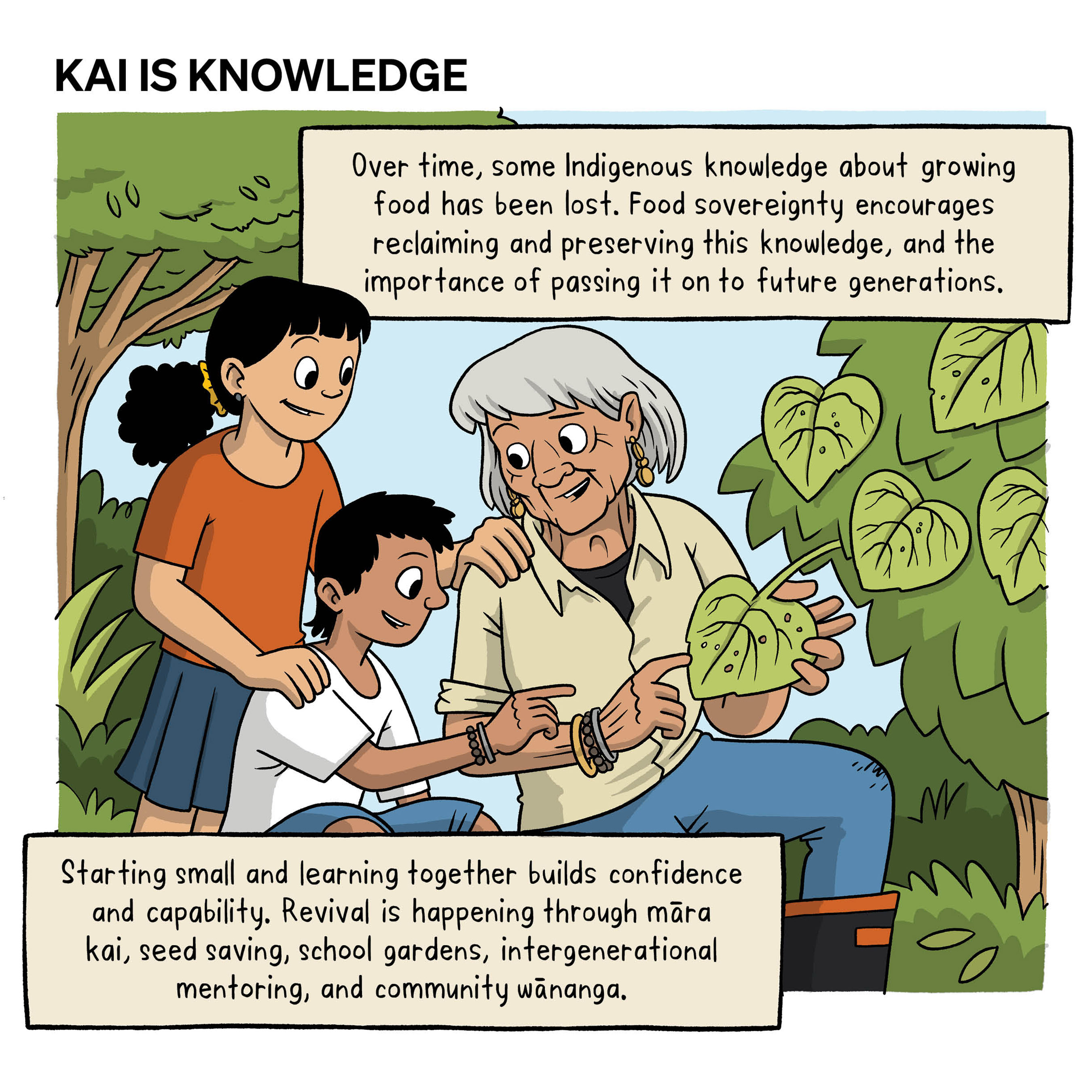
We are regrowing intergenerational food cultures, and doing so in ways that care for our planet's soil, water, and climate. We are conserving heritage varieties and respecting indigenous biodiversity and pollinator habitat.
We are learning together. We are partnering with other individuals and groups who wish to make home-grown, community-grown, and locally-farmed food more accessible to local people across the region.
ENM's Food Resilience Groups
ENM has many member groups involved in community food. Collectively, our member groups offer:
- Projects and research to develop resources associated with mahinga kai (place-based gathering and cultivation of food);
- Primary schools gardening and cooking programmes;
- Adult community education in horticulture, beekeeping, permaculture, cooking, preserving, and more;
- In-home, one-on-one mentoring in gardening, cooking, and preserving;
- Partnerships with groups and organisations serving children;
- Edible plantings in community reserves, schools, and other shared spaces;
- Produce sharing tables and support to get these going;
- Volunteer fruit and produce harvest and distribution;
- Farmer's markets, community markets, and support for growers' co-operatives;
- Local distribution for a community-supported farm;
- Land care advice for farmers;
- Funding for eco-oriented community food initiatives;
- Tie-ins with groups and organisations addressing hunger.
Get involved in growing our food action network!
Our member groups would be happy to have more volunteers! If you'd like help finding a group that is a good match for your skills, interests, and availability, please contact us. You can also browse or search (filter) our member group directory or fill in our volunteer interest form.
There are additional wonderful groups working with community food issues across multiple sectors: check out the wider Manawatū Food Action Network on Facebook.

 ENM on Facebook